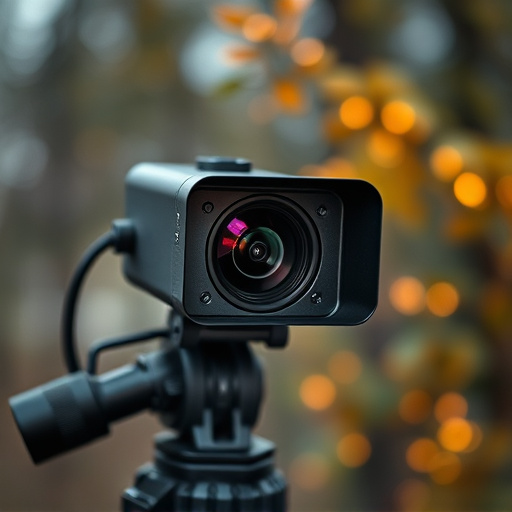
Identifying indoor hidden cameras requires understanding their strategic placement in common areas like bedrooms, bathrooms, and offices, as well as concealed within everyday objects or attached to walls/ceilings. Look for unusual electrical outlets, loose wall panels, odd markings, and unusual wiring. These devices are often placed in corners, dark alcoves, high-traffic entryways, and ceiling fixtures to capture footage discreetly. By knowing these indoor hidden camera placement tips, you can protect your privacy. Opt for wireless cameras with smartphone apps or GPS-enabled options for tailored surveillance needs.
Uncover the secrets behind detecting hidden cameras using just your smartphone. In today’s digital age, understanding indoor hidden camera placement is crucial for maintaining privacy. This article guides you through identifying potential threats, from common locations to different types of hidden cameras. We explore popular smartphone apps designed to detect these devices and offer practical tips for safe navigation in indoor spaces. Discover the tools and knowledge needed to protect your privacy with our comprehensive guide on Indoor Hidden Camera Placement Tips.
- Understanding Hidden Camera Types and Placement
- – Common locations for hidden cameras in indoor settings
- – Different types of hidden cameras and their functions
Understanding Hidden Camera Types and Placement
Hidden cameras can be found in various forms and locations, making it a complex task to identify them all. Understanding the types and placement strategies is key to detecting these devices. Indoor hidden cameras are often cleverly concealed within everyday objects like clocks, smoke detectors, or even fake power outlets. They may also be attached to walls or ceilings, disguised as decorative items or light fixtures.
When it comes to indoor hidden camera placement tips, awareness of common spots is crucial. Places like bedrooms, bathrooms, and offices are frequent hiding places due to their privacy. Checking for any unusual electrical outlets, loose wall panels, or recently installed devices can be indicative of a hidden camera setup. Additionally, maintaining a keen eye for details such as odd-looking markings on walls or floors and unusual wiring can help in identifying potential surveillance equipment.
– Common locations for hidden cameras in indoor settings
Hidden cameras in indoor settings can be strategically placed to capture sensitive information or create a sense of unease. Common locations include spaces with limited visibility, such as corners and dark alcoves. They might be disguised as everyday objects like picture frames, clocks, or even light switches. High-traffic areas like entryways or corridors could also house hidden cameras, taking advantage of the natural flow of movement to capture footage unobtrusively. Furthermore, ceiling-mounted fixtures or false ceiling tiles can hide small camera lenses, making it difficult for the average person to detect. Understanding these common indoor hidden camera placement tips is crucial for being able to identify potential surveillance devices and protect your privacy.
– Different types of hidden cameras and their functions
Hidden cameras, also known as surveillance cameras, come in various types and serve different purposes. Some are designed for indoor use, strategically placed to monitor activities within a home or office, while others are meant for outdoor environments, such as gardens or public spaces, to ensure safety and security. These devices can be concealed in everyday objects like clocks, pens, or even smoke detectors, making them hard to detect without the right tools.
Indoor hidden camera placement tips involve understanding the different types available. For instance, there are wireless cameras that offer remote access via a smartphone app, ideal for discreet monitoring. These cameras often come with night vision capabilities and motion detection alerts. Another type is the GPS-enabled camera, which can be used to track movements both indoors and outdoors. Knowing these options allows users to choose the best method for their needs, whether it’s for home security, pet surveillance, or professional purposes.
By understanding common indoor hidden camera placement tips and recognizing various camera types, you can take proactive steps to protect your privacy. Utilizing smartphone apps and tools designed for this purpose allows you to scan and detect potential surveillance devices in your home or office. Stay vigilant, stay informed, and safeguard your personal spaces from unexpected intrusions.