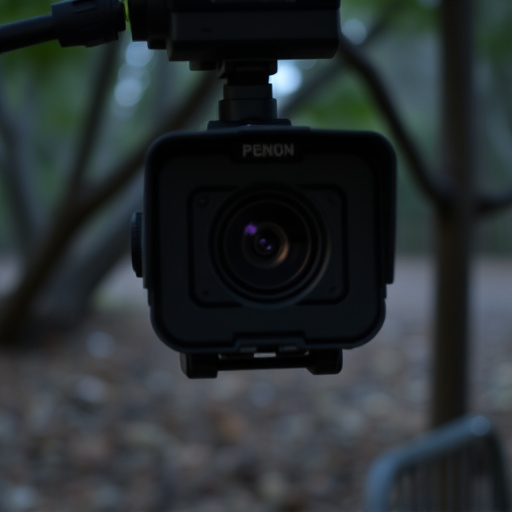
When placing indoor hidden cameras, consider legal and ethical guidelines, which vary by region, with consent required in many private spaces. Strategically position cameras in visible areas to balance legality and ethics. Identify high-risk zones for discreet surveillance of valuable assets, entry points, and active areas like offices, boardrooms, and corridors. Use common objects like vases, paintings, books, or clocks as disguises to blend technology into the environment while maintaining privacy for effective indoor hidden camera placement tips.
Uncover the art of strategic hidden camera placement with our comprehensive guide. In today’s world, discreet surveillance is both a legal and effective tool for various purposes. This article navigates the intricate balance between privacy and security by exploring ethical considerations for indoor hidden camera placement. We pinpoint high-risk areas, offering expert tips on utilizing everyday objects to mask your equipment seamlessly. Discover how to implement these indoor hidden camera placement strategies effectively and responsibly.
- Understanding Legal and Ethical Considerations for Hidden Cameras
- Identifying High-Risk Areas for Discreet Surveillance
- Utilizing Common Objects to Mask Camera Placement Strategically
Understanding Legal and Ethical Considerations for Hidden Cameras
When considering indoor hidden camera placement, it’s crucial to understand the legal and ethical boundaries surrounding their use. Different regions have varying laws regarding surveillance, with some explicitly prohibiting hidden cameras unless there is a legitimate business or security reason. For instance, many areas require consent from all parties being recorded, especially in private residences. Businesses must also adhere to specific regulations, such as those governing workplace monitoring, to avoid infringing on employees’ privacy rights.
Ethically, the use of hidden cameras should be transparent and proportionate. While they can serve as valuable tools for security and evidence collection, their placement should minimize intrusiveness and respect individual privacy. For indoor settings, strategically positioning cameras in common areas or where activities are visible without extensive concealment is often more acceptable legally and ethically. Always consult relevant laws and consider seeking legal advice to ensure compliance with both local regulations and ethical standards.
Identifying High-Risk Areas for Discreet Surveillance
Identifying high-risk areas is a crucial step in designing an effective disguised recording equipment placement strategy. These areas often require the most discreet surveillance due to potential security threats or sensitive information exchange. When it comes to indoor hidden camera placement tips, understanding high-value assets, vulnerable entry points, and common activity hotspots is key. For instance, in commercial settings, offices with valuable merchandise, secure servers rooms, or executive boardrooms warrant enhanced surveillance.
Focus on areas where unauthorized access could result in significant loss or compromise of data. Additionally, public spaces like reception areas, lobbies, and high-traffic corridors should be considered critical zones due to the potential for disgruntled visitors or intruders. Leveraging indoor hidden camera placement techniques allows for proactive monitoring, deterring criminal activity, and ensuring the safety of personnel and assets.
Utilizing Common Objects to Mask Camera Placement Strategically
When planning indoor hidden camera placement, one effective strategy is to leverage common objects for masking. This approach allows for discreet positioning while maintaining the aesthetic integrity of a space. For example, placing a camera within a decorative vase or behind a painting not only hides its presence but also blends it seamlessly with the environment. It’s crucial to choose items that complement the decor without drawing unnecessary attention.
By utilizing everyday objects like books, plants, or even clock radios, you can strategically place hidden cameras in locations that would otherwise be obvious. This method ensures better video quality while maintaining privacy and security, making it ideal for home surveillance or business monitoring applications.
Disguising recording equipment requires a strategic approach that balances legal and ethical considerations with effective surveillance. By identifying high-risk areas and leveraging everyday objects for masking, you can implement optimal indoor hidden camera placement tips to gather the necessary footage while maintaining privacy integrity. Remember, responsible surveillance involves both clever technology deployment and adherence to legal boundaries.