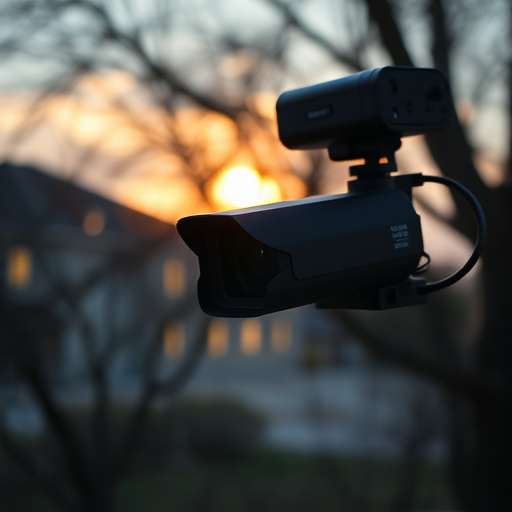
When placing indoor hidden cameras, balance security needs with legal and ethical considerations. Follow these indoor hidden camera placement tips: comply with local laws, focus on high-traffic areas, mount cameras at appropriate angles, and integrate them discreetly into decor. Use advanced technologies like thermal imaging and EMF detectors to detect hidden cameras, ensuring responsible surveillance practices and protecting privacy.
Uncovering covert recording devices is a critical aspect of privacy protection in today’s digital age. This article explores the intricate world of hidden camera detection and provides valuable insights into both legal and ethical considerations surrounding covert recording. We’ll delve into effective indoor hidden camera placement strategies, offering practical tips for identifying potential threats. Additionally, advanced detection methods are discussed to help readers stay ahead of malicious actors, ensuring a safer digital environment.
- Understanding Legal and Ethical Considerations for Covert Recording
- Effective Indoor Hidden Camera Placement Strategies
- Advanced Detection Methods for Uncovering Hidden Cameras
Understanding Legal and Ethical Considerations for Covert Recording
When considering indoor hidden camera placement, it’s crucial to balance effective surveillance with legal and ethical boundaries. In many jurisdictions, covert recording is subject to strict regulations, primarily focused on protecting privacy rights. For example, in some regions, hiding cameras in areas where individuals reasonably expect privacy, like bathrooms or bedrooms, is illegal without explicit consent. Therefore, understanding local laws and gaining proper authorization before deploying hidden cameras is essential to avoid legal repercussions.
Ethical considerations also come into play, particularly when it comes to the purpose and use of recorded data. Surveillance should be used responsibly, with clear objectives, such as enhancing security or preventing crime, rather than for invasive or malicious reasons. Additionally, ensuring secure storage and access to recordings is vital to safeguard personal information from unauthorized access or misuse. Indoor hidden camera placement tips must always prioritize legal compliance and ethical surveillance practices.
Effective Indoor Hidden Camera Placement Strategies
When it comes to indoor hidden camera placement, strategy is key. The goal isn’t just to hide a camera but to position it effectively to capture desired footage while maintaining privacy and security. Consider high-traffic areas like entryways, offices, or common areas where activities are naturally visible. Mounting cameras at eye level or slightly elevated ensures a clear view without appearing obtrusive. Think about placement that offers multiple angles of sight, allowing for a comprehensive surveillance setup. Discreetly integrating the camera into existing decor, such as pretending it’s a fire detector or light switch, can be highly effective for indoor hidden camera placement tips.
Advanced Detection Methods for Uncovering Hidden Cameras
In the realm of covert recording, detection methods have evolved significantly to counter sophisticated indoor hidden camera placement tips. Beyond traditional visual inspections, advanced technologies like thermal imaging cameras and specialized radiation detectors are now employed. These tools can identify heat signatures and subtle electromagnetic emissions, respectively, making them effective against hard-to-spot devices.
For instance, infrared thermography can reveal the presence of hidden cameras by detecting variations in temperature caused by electronic components. Similarly, electromagnetic field (EMF) detectors can pick up on unusual radiation patterns emitted by certain types of recording equipment. By combining these detection methods, professionals can thoroughly scrutinize indoor spaces, ensuring that even the most discreetly placed hidden cameras are uncovered.
Covert recording, while a complex topic, can be approached with a balance of legal and ethical awareness. Understanding the nuances of placement and detection methods is crucial for both individuals seeking privacy and those aiming to protect it. By implementing effective indoor hidden camera placement strategies and utilizing advanced detection techniques, we can navigate this landscape responsibly. Remember, knowledge is power—when applied thoughtfully, these Indoor Hidden Camera Placement Tips can help foster a safer and more secure environment.