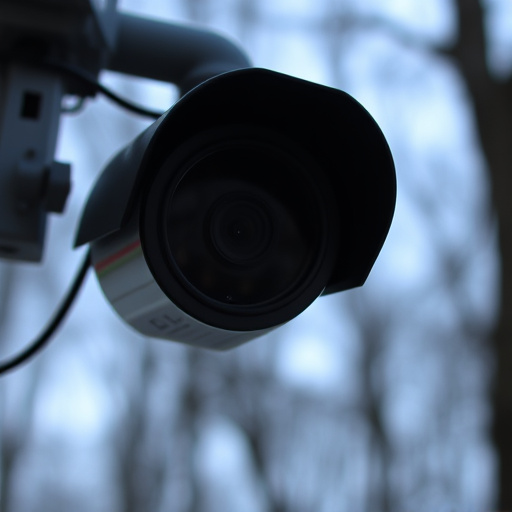
Detecting indoor hidden cameras requires understanding light interaction with reflective surfaces and using strategic lighting control to minimize glints from surveillance equipment. Advanced techniques like high-sensitivity imaging and digital image processing algorithms help identify lens glints in low-light conditions. Effective placement tips include avoiding windows, choosing concealed spots, using diffusers and non-reflective covers, securing cameras, and prioritizing clear views for enhanced glint detection while ensuring privacy and security.
In the realm of security, detecting indoor hidden cameras has become a critical task due to the increasing prevalence of privacy invasions. This article delves into innovative methods for identifying lens glints in low-light conditions, addressing the challenges unique to indoor environments. We explore advanced techniques to recognize subtle reflections and offer practical tips for preventing camera placement, ensuring a safer and more secure space. Discover effective strategies to navigate this modern-day enigma.
- Understanding Glint Detection in Low-Light Conditions
- Challenges of Detecting Indoor Hidden Cameras
- Techniques for Effective Lens Glint Identification
- Practical Tips for Indoor Camera Placement Avoidance
Understanding Glint Detection in Low-Light Conditions
Glint detection is a critical aspect of night photography, especially when it comes to identifying and preventing indoor hidden camera placement. In low-light conditions, reflective surfaces can produce unwanted glints, revealing the presence of surveillance equipment. Understanding how light interacts with these surfaces is key to effective detection. Glints are caused by direct light sources reflecting off objects like glass, metal, or even the lens of a camera itself. During nighttime, when artificial lighting is prevalent, these reflections can be particularly challenging to discern from natural light sources, making glint detection a nuanced task.
Indoor hidden camera placement tips focus on mitigating these glints through strategic lighting control and surface treatment. By minimizing direct light exposure and using diffused or indirect lighting, photographers can reduce the likelihood of capturing telltale glints. Additionally, employing techniques like angling cameras away from reflective surfaces or utilizing specialized filters designed to absorb excess light can further enhance glint detection capabilities in low-light scenarios.
Challenges of Detecting Indoor Hidden Cameras
Detecting indoor hidden cameras presents a unique set of challenges, especially in environments where light is limited. Unlike outdoor scenarios, where direct line-of-sight conditions often reveal camera positions through glints and reflections, indoor spaces offer more complex opportunities for clandestine camera placement.
Understanding Indoor Hidden Camera Placement Tips becomes crucial here. Cameras can be strategically positioned behind objects like mirrors, placed inside lighting fixtures, or even built into walls and ceilings. These methods make it difficult to identify the true source of visual data, making detection more intricate. Advanced techniques, such as analyzing subtle variations in light intensity and patterns, are necessary to uncover these hidden devices, ensuring a secure and private indoor environment.
Techniques for Effective Lens Glint Identification
Identifying lens glints in low-light conditions requires a strategic approach, especially when dealing with indoor hidden camera placement tips. One effective technique is to utilize high-sensitivity imaging, which amplifies available light, allowing for better visibility of subtle reflections. This method can detect even minute glints that might be invisible to the naked eye. By adjusting camera settings and employing specialized filters, you can enhance contrast and sharpen edges, making glints more prominent.
Additionally, digital image processing plays a pivotal role in refining the detection process. Advanced algorithms can analyze images for specific patterns and anomalies, such as irregular reflections or specular highlights. These tools enable analysts to isolate and identify lens glints from other potential sources of light, ensuring accurate recognition. Indoor hidden camera placement tips should consider these techniques to maximize the chances of detecting and preventing malicious activities that rely on clandestine observation.
Practical Tips for Indoor Camera Placement Avoidance
When setting up a camera for night-time glint detection indoors, strategic placement is key to achieving accurate results. Avoid placing cameras near windows or other reflective surfaces that could introduce unwanted glare, as this can mimic genuine glints from external sources. Instead, opt for hidden spots like corners, ceilings, or inside cabinets where light reflections are minimal. Use diffusers or non-reflective covers to further reduce ambient light reaching the lens and consider using infrared lighting designed for low-light conditions without introducing artificial glare.
Remember that indoor hidden camera placement tips go beyond just minimizing glint. Ensure your camera has a clear view of the area you’re monitoring, is positioned at eye level or slightly higher for optimal coverage, and is secured firmly to prevent accidental displacement or tampering. By carefully considering these factors, you can maximize the effectiveness of your glint detection system while maintaining privacy and security in your indoor spaces.
Glint detection in low-light conditions is a complex task, especially when targeting indoor hidden cameras. By understanding the challenges and employing techniques like identifying lens glints through advanced imaging methods, it’s possible to enhance security measures significantly. The key to successful prevention lies in a combination of technological expertise and strategic placement avoidance, as outlined in this article. Adopting these Indoor Hidden Camera Placement Tips can greatly contribute to creating safer environments while respecting privacy.